
10 things to do after you move
get a free quoteCongratulations on your new home! This is a big step for you. Now daily life needs some structure. A clear plan helps you focus on safety, comfort, and local rules. You probably wonder which things to do after you move deserve attention first. Some steps matter on day one, while others can wait a bit. However, everything feels easier when you follow a simple checklist. For moves within Ohio, movers in Cincinnati OH handle the heavy lifting. This guide walks through ten practical tasks that fit real life. It also highlights details that depend on your city or state. Use it as a base and adapt it to your new address.
Schedule a deep clean before you unpacking after a move
A clean home makes unpacking faster and more pleasant. Many people start with basic supplies and scrub everything alone. That approach works, but it can drain your energy quickly. You just went through a move, so your time matters. Therefore, think about hiring local cleaners for a deep clean. Many services charge by the hour or by square footage. Check reviews and compare quotes before you decide.
Ask if they bring supplies and eco-friendly products. Also ask about availability in your area, since weekends fill fast. Many families also use Cincinnati moving services for packing support. If you prefer to clean yourself, start with bathrooms and the kitchen. Then move to bedrooms and high-traffic areas. Always clean from top to bottom, room by room.
Unpacking after a move with a simple room plan
Boxes in every corner can feel very heavy on your mood. Instead of opening boxes randomly, work with a basic plan. Try to set realistic unpacking goals for each day.
- Before unpacking after a move, place each box in the correct room. Labeling during packing helps a lot here.
- Next, unpack bedroom, kitchen, and bathroom essentials. These spaces support daily life from the first night.
- Keep one “essentials” box with chargers, medication, documents, and basic tools.
- Also set aside a laundry basket for packing paper and trash. Break down empty boxes as you go. This keeps walkways clear and reduces stress.
- If you stayed local, local movers in Cincinnati can help with unpacking.
- If you work from home, unpacking after a move starts with your desk. That way remote work starts on time.
Safety measures should be at the top of the post move checklist
Safety should come before decoration in any new home. If you have children or pets, walk through each room carefully. Look for:
- open stairways
- loose cords
- unstable furniture
Then add gates to stair tops and bottoms. Secure heavy bookshelves and TVs to walls with brackets. Keep cleaning products and sharp tools in locked cabinets. Store small items that could be swallowed in closed containers. Move furniture away from windows children can reach. For pets, prepare a quiet room with food, water, and a bed.
Families arriving from afar often use long distance movers in Cincinnati for support. Update collars with your new address and phone number. Also locate the nearest pediatrician and vet clinic. Save their numbers on your post move checklist for emergencies.
Install a home security system that fits your area
A security system often brings extra peace of mind in a new place. First, check crime maps or local police reports for context. Then decide how much coverage you want and need. Some people choose professional monitoring with monthly fees. Others prefer cameras and sensors they control through an app. Compare
- contracts
- equipment costs
- cancellation rules
Look for gear that works well with your phone and internet. Place cameras near main doors and ground-floor windows. Add motion sensors in hallways that connect key rooms. Also consider a video doorbell for package deliveries. Finally, test everything and learn how alerts work.
Change house locks and secure all entry points
You cannot know who still has keys to your new place. Former owners may have shared copies with many people. Therefore, schedule a locksmith as soon as possible. You can replace locks or simply rekey existing ones. Ask which option suits your doors and budget. Many owners now choose keyless locks with codes. These help you share access with cleaners or guests. Just avoid easy codes like birthdays or street numbers.
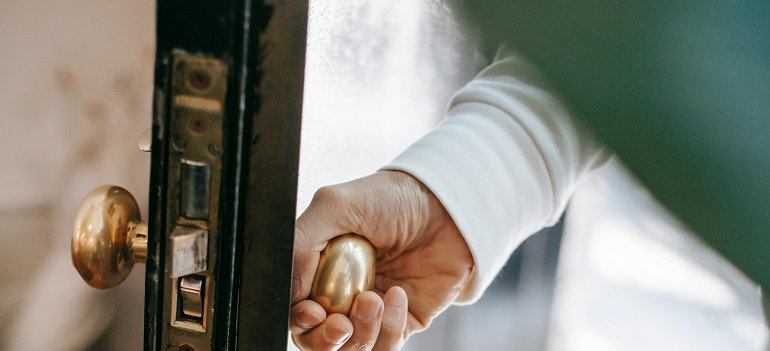
While you focus on doors, also check windows and sliding doors. Make sure every latch closes properly without force. Add simple dowels or bars to sliders for extra security. Store spare keys in a secure, hidden spot.
Testing smoke detectors is one of the essential things to do after you move
Life in a new home should also be safe from fire and fumes. Start by checking every smoke detector in the house.
- Press the test button and listen for a loud sound.
- Replace batteries right away if anything sounds weak. If detectors look very old, consider replacing them fully.
- In many homes, you also need carbon monoxide detectors. Place them near bedrooms and fuel-burning appliances.
Next, turn to your heating and cooling system. Change or clean filters before you run it hard. Dirty filters reduce air quality and raise energy costs. If the unit is noisy or unreliable, call a local technician. Ask about seasonal checkups that match your local climate.
Transfer utilities to your new address without gaps
Home comfort depends on working utilities from day one. Ideally, you arranged basic services before moving day. If not, put them on your post move checklist as soon as possible. Contact providers for:
- electricity
- gas
- water
- trash pickup
Give them your move-in date and exact address details. Some companies need meter readings on that date. Take clear photos of meters for your own records. Ask about deposits, connection fees, and any local discounts. In some cities, you must set up recycling separately. Ask neighbors how trash and bulk pickup work on their street. Also keep confirmation emails and account numbers in one place. This helps you resolve any billing issues later.
Set up connectivity for TV, internet, and phone
Fast, stable internet supports work, school, and streaming. First, check which providers serve your new neighborhood. Coverage can change even between nearby streets. Compare speeds, data limits, and contract terms carefully. Many companies bundle internet, TV, and phone services. Decide which services you actually use often.
If you work remotely, choose plans with reliable upload speeds. Position your router in a central, open spot. This usually improves coverage across the home. You can add extenders for very large spaces. Set a strong Wi-Fi password and change default admin details. Also consider parental controls and a guest network for visitors.
Get a new license and register your car
Driving rules connect to your official address. After a move, your license and registration need updates. Each state sets its own deadlines and steps. Visit the website of your local motor vehicle agency. There you will see required documents and fees. Usually, you need proof of identity and residency. Common examples include leases and utility bills.

Some states also require inspection or emissions testing. Book an appointment if the office allows it. This can save you hours of waiting. Do not forget to update your auto insurance address. Rates often depend on parking and local traffic patterns. Keep new cards in your wallet and car.
Use a post move checklist to stay on track in your new home
Once basic tasks finish, daily life becomes easier to handle. However, many smaller duties still wait for attention. You may need to change filters, test alarms, and seal drafts. A simple checklist keeps everything in one place. Group tasks into first-day, first-week, and first-month actions. Add due dates so you can see progress. Share the list with everyone in your household. Assign a few simple tasks to each person. This also helps kids feel involved and settled. When you track key things to do after you move, you stay organized. You also protect your time, budget, and peace of mind.