
Tips For Moving With Plants Long-Distance
get a free quotePlants aren’t just home decor—they’re living companions. For many of us, they’re part of the family. So when it’s time to move, it’s natural to want your leafy friends to come along. But moving with plants—especially across the country—comes with its own set of challenges.
From fragile leaves to climate changes, plants can be sensitive travelers. However, with the right preparation and care, you can ensure they arrive at your new home healthy and stress-free. Whether you’re moving across country with plants or just a few states away, planning ahead makes all the difference.
Know the Rules Before You Move
Before you pack a single pot, take time to understand the regulations around transporting plants across state lines. Many states, especially those with large agricultural sectors, have strict rules on what can enter. If you’re moving cross country with plants, certain species may be restricted due to pest risks or invasive species laws.
To avoid last-minute surprises, research each state’s agricultural department. You may need permits or documentation. Also, consider how you’re transporting your plants. Shipping services may not accept them, and some moving companies have policies that prohibit live plants in their trucks. If you’re working with moving companies Cincinnati Ohio, ask them early about their policies.

Prep Your Plants Like a Pro
Proper preparation is key to moving long distance with plants. Start about 1–2 weeks before your move to give your plants the best chance of arriving healthy. Here’s what to do:
- Inspect each plant for pests or signs of disease—you don’t want to bring problems into your new home.
- Prune dead leaves or overgrowth to reduce plant stress and make transport easier.
- Repot into lightweight plastic containers if your plants are in heavy ceramic pots—this reduces breakage and makes them easier to move.
- Gradually reduce watering—slightly dry soil helps prevent spills and root rot during transit.
These simple moving with plants tips can help prevent damage and keep your plants healthier through the transition. For added support, professional Cincinnati moving services often provide expert packing for delicate or specialty items.
How to Pack and Transport Plants Safely
When it’s time to pack, follow these tips to protect your plants during transit:
- Use sturdy boxes with ventilation holes to allow airflow and prevent overheating.
- Keep each plant upright and cushion the base with packing paper or towels to avoid shifting.
- Wrap foliage loosely with paper or mesh to protect leaves and stems from damage.
- Avoid placing plants in a hot moving truck—extreme temperatures can quickly cause harm.
- Transport plants in your personal vehicle whenever possible to maintain a stable environment.
- If you’re moving long distance with plants, make pit stops to check for wilting and give them fresh air.
- Carry a spray bottle to mist leaves and maintain humidity during the journey.
Taking these steps helps ensure your plants stay safe, healthy, and stress-free while on the move.
Take Sarah, for example. She was moving across the country with plants from Cincinnati to Denver. She prepped her pothos and succulents in breathable containers, used mesh wraps, and checked them at every gas stop. When she arrived, her plants looked as vibrant as when they left.

Choose Movers Who Understand Your Needs
Not every mover is equipped—or willing—to handle live plants. Some decline due to the risk of damage or legal restrictions across state lines. So if you’re hiring help, search for long distance moving companies in Cincinnati that understand the unique challenges of moving with plants.

Ask questions early. Do they allow live plants? Can they guide you through paperwork or restrictions? A good mover will be upfront and provide helpful solutions. When in doubt, get everything in writing and confirm plant-friendly policies before booking.
Climate and Timing Matter
Weather can make or break your plant’s move. Heat, cold, or rapid climate changes can shock plants and lead to damage. To protect them, keep these tips in mind:
- Schedule your move early in the day to avoid extreme heat or cold.
- In winter, wrap pots with newspaper or cloth to insulate roots and prevent freezing.
- In summer, keep plants out of direct sunlight during breaks to avoid overheating.
- Monitor temperature changes closely if you’re moving with plants across the country.
- Consider the destination climate—for example, plants moving from humid Cincinnati to dry Arizona may need time to adapt.
With a little planning, your plants can stay healthy no matter the weather.
Unpacking and Helping Your Plants Adjust
When you arrive, unpack your plants right away. Set them in a spot with similar light conditions to their old home. Resume your regular watering schedule, but don’t fertilize immediately—give them a week or two to settle.
Keep an eye out for signs of stress like yellowing leaves, drooping, or stunted growth. Some plants may need to be gradually acclimated to a different humidity or light level.
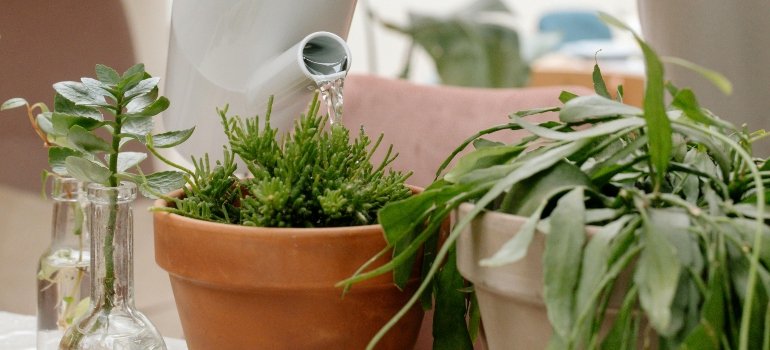
Settling in smoothly often starts with choosing the right moving company, one that understands your specific needs and supports a stress-free transition.
Move With Your Plants the Smart Way
Relocating your green companions doesn’t have to be overwhelming. With the right prep, packing, and timing, moving with plants can be a smooth process. Your plants will not only survive the journey—they’ll thrive in your new space.
To recap:
- Know the rules before you move.
- Prep plants well in advance.
- Pack safely with breathable materials.
- Consider climate and move time.
- Work with experienced pros who understand plant needs.
When in doubt, partner with seasoned moving companies like Ready 2 Roll Moving Ohio. With proper care and the right help, your plants will feel at home wherever you land. Whether you’re moving across country with plants or planning a shorter haul, trust these moving with plants tips to guide your journey.