
How to Prepare for a Rural-Style Move to Indian Hill, Ohio
get a free quoteIndian Hill feels distinct from the first turn off the main road. Tall trees, long drives, and quiet surroundings define the area. Many homes sit well back from the street, yet downtown Cincinnati remains within a short commute of about 14 miles. Families often choose Indian Hill for that mix of privacy and accessibility. Anyone planning to prepare for a rural-style move here should take extra time to study local logistics. Driveways can be long, and gated entries or narrow lanes may limit truck access. Timing also matters, since service vehicles and school traffic often share the same roads. Advice from movers in Cincinnati area can help with planning routes, parking, and loading zones more efficiently.
Understanding Indian Hill’s Unique Moving Landscape
Indian Hill sits a short drive from Cincinnati. Estates span nearly 20 square miles with woods and private lanes. The population sits near six thousand, so roads stay calm most days. Yet many driveways are long and narrow, and some gates sit close to the street. Local know-how saves time, gear, and patience on move day. Lots often range from one to five acres, so our crews sometimes stage farther from the door. Timing matters because school traffic and service trucks share lanes. For on-the-ground guidance, families often check Indian Hill movers who understand setbacks, gate codes, and long walks.
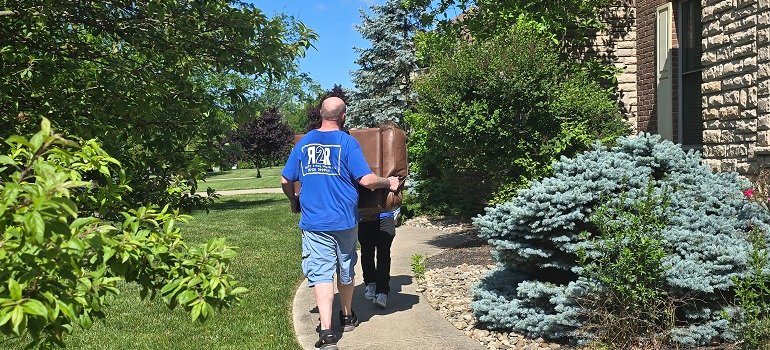
Step 1 – Schedule an Early Property Assessment
Plan an on-site review at least two weeks before your rural move to Indian Hill. Measure driveway width, gate swing, and clearance for tall trucks. Check doorways and stair dimensions, and note any sharp turns where large furniture might catch. This walkthrough helps prevent damage and delays on moving day. Identify safe spots for heavy or delicate items such as pianos, safes, or antiques.
If the property includes outbuildings, barns, or guest quarters, list them so nothing is overlooked during packing. Record access details such as alarm codes, water or gas shutoffs, and storage areas in basements or lofts. If moving from far away, coordinate in advance with long distance movers in Cincinnati to prepare for a rural-style move, and clarify transfer points and storage options if overnight staging is needed.
Step 2 – Plan for Long Driveways and Limited Access
Confirm truck access early and inspect the entire route from the road to the main entrance. Trim any branches that could strike tall boxes or vehicles, and mark soft shoulders near culverts to avoid damage. Clear, well-defined access points help prevent delays and protect landscaping during your rural relocation to Indian Hill.
Steep or curved driveways may require a shuttle plan, where a larger truck stays at the road while smaller vehicles carry loads to the house. Establish loading zones with cones or signs and notify any landscapers or contractors about the moving schedule. Review all timing and staging details a week before to ensure a less stressful move. Careful access planning makes the process safer and more efficient on moving day.
Step 3 – Handle Outdoor Equipment and Large Items Safely
Begin your rural move to Indian Hill by creating an inventory of all outdoor items, including tractors, lawn mowers, grills, and patio furniture. Drain fuel from engines at least a day before the move, and disconnect batteries, taping the terminals to prevent sparks. Use proper moving straps, ramps, and dollies when lifting heavy equipment to avoid injury or property damage. Remove soil from planters to make them lighter and wrap any glass or stone tabletops with thick pads and cardboard. Propane tanks should always be moved separately, in line with transport safety regulations.
Prepare simple box plans that help you pack efficiently for your move and clearly label items for specific areas such as barns, sheds, or garages. This preparation keeps outdoor equipment organized and makes unpacking faster once you arrive. A quick checklist for yard and oversized items you can follow should include:
- Drain fuel from mowers and generators 24 hours before.
- Disconnect batteries. Tape the terminals.
- Remove propane tanks. Haul them separately.
- Secure mower decks and loose attachments.
- Wrap glass or stone tops with pads and cardboard.
- Use straps, dollies, and ramps for heavy lifts.
- Keep ramp angles shallow under 18 degrees.
- Bag and label all hardware.
- Measure gates and shed doors ahead of time to prepare for a rural-style move..
Before unloading, set up a clean, open area near the garage or main entrance for large or fragile items. Keep children and pets away from this space to avoid injuries and interruptions. A simple staging plan helps prevent accidents and speeds up unloading. Oversized or heavy belongings should be placed on sturdy surfaces with protective pads or crates. Use ramps or liftgates if available, especially when moving large appliances or machinery. This approach helps reduce strain when maneuvering through long or narrow driveways, which are common across Indian Hill.
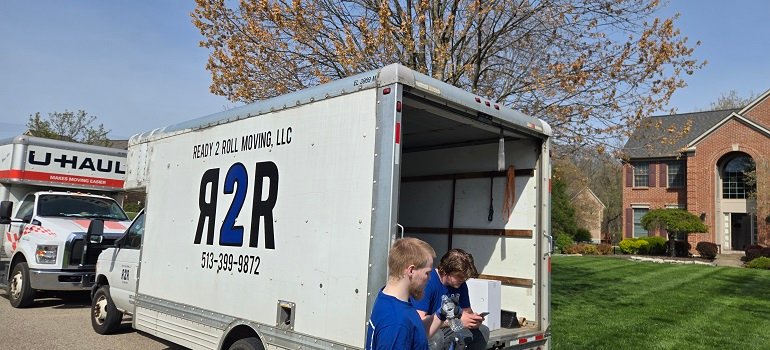
Step 4 – Protect Your Property as You Prepare for a Rural-Style Move
Use cardboard runners or ram boards from the entrance to the target rooms to prevent floor damage. Pad stair rails, doorframes, and newel posts to protect paint and wood trim. On gravel or dirt driveways, place walk mats near entryways and set up a boot brush to keep debris outside. In winter, keep ice melt near steps; during summer, cool the house early and provide drinking water for helpers.
Designate a tarp area for wrapping furniture pads away from garden beds to protect plants. Keep pets secured in a quiet room with a clear sign on the door. Prepare a small tool kit near the entrance stocked with screwdrivers, hex keys, and small bags for hardware that may come off furniture or fixtures.
Step 5 – Pack With the Country Lifestyle in Mind
Sort and pack belongings based on how you plan to use them during the first few days after moving. Keep lawn and fencing tools close to exterior doors for quick access. Label boxes clearly for “Barn,” “Garage,” or “Shed,” and use room-plus-task labels to guide where each box should go. Pack tack, feed bins, and coop supplies in sturdy tubs with moisture-absorbing packets to protect contents.
Homes in Indian Hill often include valuable or delicate items such as artwork, musical instruments, and heirlooms — these may need custom crates or padded boxes. Keep a “First Week” tote near the door with gloves, contractor bags, reflectors, and headlamps.
Step 6 – Adjusting to Rural Utilities and Services
Check the property’s water source before your rural move to Indian Hill. Some homes in Indian Hill rely on private wells or septic systems, so inspections should be scheduled before move-in. Arrange trash and recycling services in advance and confirm the first pickup date. Setting up utilities ahead of time helps avoid gaps in service for electricity, gas or propane, and water. Internet options may be more limited than in the city, so check the National Broadband Map to see which providers and speeds are available at your address.
Because installation wait times can vary, it’s wise to schedule appointments as soon as possible. Keep a backup hotspot for remote work or communication during the first week. Create a checklist that includes all utilities, mail delivery, and address updates. Plan early to prepare for a rural-style move without unnecessary delays.

Stay Ahead in Indian Hill and Prepare for a Rural-Style Move With Ease
A rural relocation to Indian Hill offers wide yards, tall trees, and peaceful surroundings, but it also comes with longer driveways and unique access challenges. Planning early makes a major difference. Walk the property ahead of time, label outbuildings, and note where large items will go. Schedule utilities and internet setup before moving day to avoid service gaps. Use these strategies to prepare for a rural-style move with more control and fewer delays. Staying organized from the first box to the last screw helps everything run smoothly. Moving to Indian Hill requires patience and attention to detail, yet the reward is immediate once you settle into the quiet rhythm of the area while staying close to Cincinnati.