
How to prepare for a winter relocation in Ohio?
get a free quotePlanning ahead for winter relocation in Ohio helps everything run smoothly when temperatures drop. Moves can feel unpredictable once snow and ice hit the roads. Major roads slow down during storms, so building a flexible plan becomes a must. The region usually sees more than twenty inches of snow each season, and storms in recent years showed how fast conditions can shift. If your schedule depends on school calendars, timing matters even more. Many families also choose to add buffer days in case a Level Two snow emergency closes the roads. And when you want reliable support in these conditions, movers in Cincinnati OH often help keep winter timelines stable.
Understanding Cincinnati winter weather before your move
Cincinnati winter weather changes fast, so knowing what to expect helps you make smarter choices. Average temperatures hover between lows in the twenties and highs in the low forties, but certain pockets of Hamilton County feel colder than others. January usually brings the chilliest nights. February often loads the suburbs—especially places like Mason, Fairfield, and Florence—with the heaviest snowfall. And if you have never driven in snow before, especially if you are coming from a warmer state,then a move during heavy snow in Southwest Ohio can be troublesome and the adjustment can feel sharp.
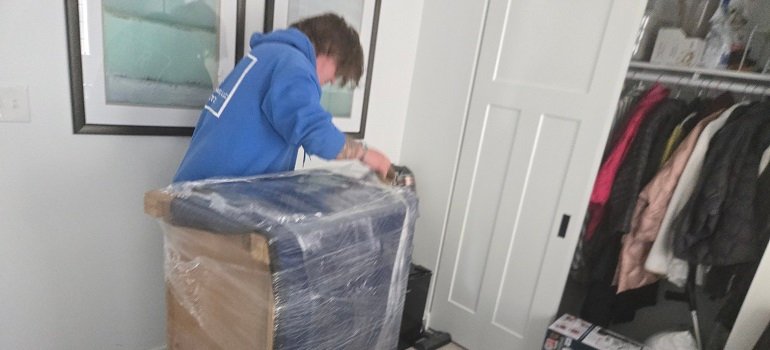
River valley neighborhoods near downtown stay slightly milder, yet bridges like the Brent Spence or Roebling often ice first. Storm alerts can also shift quickly. Counties in the region frequently announce snow emergency levels that restrict driving to essential trips. Because of that, checking daily forecasts and local alerts becomes part of your normal routine as you prepare for a move during heavy snow in Southwest Ohio. Missing even one update can change your entire plan. When forecasts look uncertain, many people call on moving services in Cincinnati Ohio to help build a safe and flexible schedule during harsh weather.
Building a realistic winter moving timeline around Cincinnati
A winter moving timeline only works if it fits the pace of local weather and seasonal traffic.
- Shorter daylight hours in December—when the sun sets around 5:20 p.m.—leave less room for delays in neighborhoods like Hyde Park or Oakley. That is why moving crews in Blue Ash and Sharonville often start earlier to stay ahead of darkness.
- If you hope to move during the holidays, expect to book at least six to eight weeks in advance, especially for dates near Christmas or New Year’s. Would you want to move during heavy snow in Southwest Ohio, on the same day half the city seems to be shifting schedules?
- Then, add buffer days. Storms can push appointments back for landlords, cleaning teams, and utility companies from Anderson to Milford.
- Drivers also face major slowdowns on I-75 near downtown on Friday evenings due to rush-hour traffic mixed with winter conditions. Saturday mornings usually feel calmer.
- And when you need trusted help with tight timelines or unpredictable weather, many residents rely on Cincinnati home movers who can help if you decide to move during heavy snow in Southwest Ohio.
Once you create a timeline for your winter move in Ohio with these realities in mind, the process gets far easier to manage.
Packing and protecting belongings for winter relocation in Ohio
Packing for a Cincinnati winter move takes more effort, but it pays off.
- Many older buildings in Over-the-Rhine have narrow stairways that make handling bulky furniture tough, especially when the steps get wet. Plastic bins with tight lids help keep items dry when you carry them across snowy sidewalks.
- Electronics need extra care, so double-wrap them and mark the boxes as temperature-sensitive to avoid moisture damage.
- Liquids such as cleaners or paints freeze quickly in unheated trailers and often leak, so those items travel best in your car.
- Houseplants struggle as well when temperatures drop below freezing for long stretches. Moving them in a heated vehicle—especially during colder hours between Norwood and Montgomery—keeps them safe.
When closing dates shift or you need extra space, climate-controlled storage in places like Sharonville or Springdale protects items that cannot handle cold conditions.
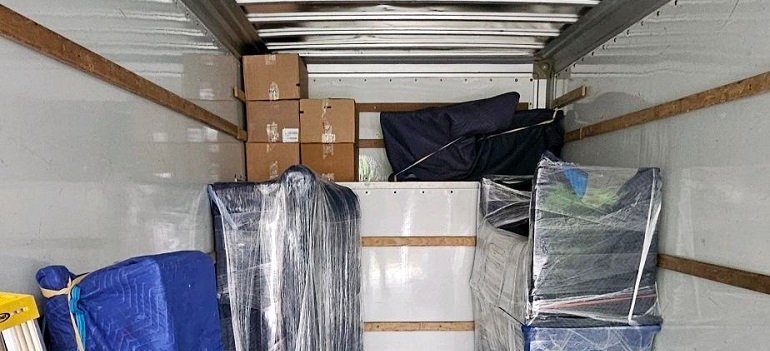
Many people also look for help from local moving companies in Cincinnati Ohio when packing tight spaces or navigating older buildings with winter hazards. Clear labels and simple packing zones cut stress when unpacking later.
Staying safe on Cincinnati winter moving day
Safety becomes a central part of your winter relocation in Ohio. A few small steps can make the day easier. Before driving, clear your lights, check your tires, and make sure your wipers work well. Cold snaps often strain car batteries across Cincinnati, so test your battery if you plan to move during heavy snow in Southwest Ohio.
If the counties issue Level One or Level Two snow emergencies, travel becomes limited to essential purposes. That can delay your winter move in Ohio, but safety always comes first. Keep blankets, snacks, water, and chargers in every vehicle, and add a small shovel if you need to clear snow after parking near the hills around Mount Adams.
Children stay more comfortable in warm cars, while older adults may need more time on salted walkways. Pets should always ride secured in carriers or harnesses. And when your move involves long-distance routes into the Cincinnati area during winter, it often helps to work with long distance moving companies Cincinnati based that understand how storms affect major interstates. Sharing your route with someone local adds extra safety in case conditions shift suddenly.
Settling into your new home after a winter relocation in Ohio
After your winter relocation in Ohio, focus on getting your home warm and safe before handling the rest. Confirm that utilities start on time right after your winter move in Ohio, so you do not enter a cold space after a long day. In most Cincinnati neighborhoods, renters and homeowners must clear their own sidewalks, and some suburbs like West Chester or Anderson will issue reminders if walkways stay icy too long. Many streets also function as posted snow routes where overnight parking is restricted during storms, so it helps to learn those rules right away.

Inside your home, protect floors from salt and slush using cardboard, mats, or any temporary covering. Winter grime from I-71 and I-75 traffic can damage floors surprisingly fast. Start unpacking the items you need immediately:
- coats
- boots
- winter bedding
- toiletries
- kitchen basics
Then find the main water shutoff valve and electrical panel before an issue arises. Finally, explore your closest grocery stores, pharmacies, and urgent care options so you know where to go if something comes up during your first week.
Final checks for a successful winter move in Ohio
A final checklist helps you stay organized throughout your winter move. It keeps your plan simple and easy to follow. Start by confirming a date that avoids major storms and crowded holiday windows when possible. Then review local snowfall patterns, temperatures, and typical emergency levels for Hamilton and surrounding counties. Check alerts daily as your move approaches. Confirm your movers, storage units, and utility appointments, and keep some flexibility in case the weather forces changes. Once you arrive, handle your main tasks first so you can settle in without rush or stress. With careful planning and realistic expectations, winter relocation in Ohio becomes far easier to manage.