
Apartment lease terms in Cincinnati: What to Know?
get a free quoteIf you’re moving to Cincinnati, one of the first things you’ll deal with is finding and signing a lease. Understanding apartment lease terms in Cincinnati helps you make smarter choices before committing to a rental. Every lease outlines how long you’ll stay, how much you’ll pay, and what’s expected from both you and the landlord.Tenants have the right to safe, well-maintained housing and clear communication about rent or rule changes. Most landlords in the city use written leases that specify key details like payment methods, maintenance responsibilities, and lease renewal policies Cincinnati Ohio tenants need to be aware of. Taking time to read your lease before signing makes the moving process easier and protects you throughout your stay.
Rental lease agreement rules Cincinnati tenants need to know about
The city’s rental market is diverse — you’ll find everything from downtown lofts near Fountain Square to historic homes in Hyde Park. Most apartments come with 12-month leases, though some student areas near the University of Cincinnati offer shorter ones. Rent for a one-bedroom usually hovers around $1,350, but that changes depending on the neighborhood. Ohio’s landlord-tenant rules set the basics for deposits, repairs, and notices.
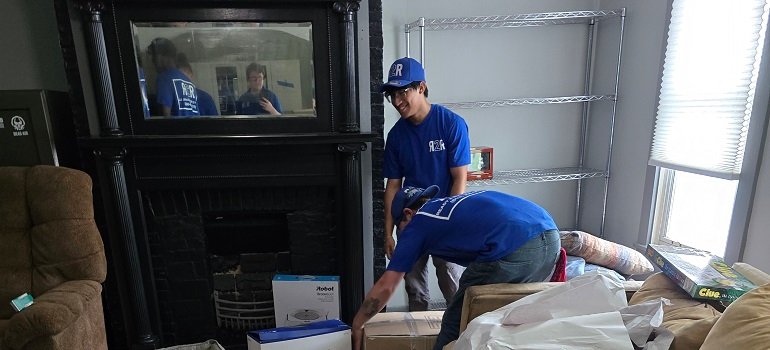
Cincinnati adds a few extra local guidelines through its Department of Buildings and Inspections. Knowing how to read your lease helps you:
- start strong in your new place
- avoid surprises
- understand exactly what you’re signing up for before moving in
If you’re still planning your relocation, hiring professional movers in Cincinnati area can make your move-in process much easier and better coordinated with your lease dates.
What types of lease terms you’ll encounter in Cincinnati apartments
In Cincinnati, leases usually come in two forms: fixed-term or month-to-month.
- Fixed leases, common in larger apartment buildings downtown or near Over-the-Rhine, often last a full year.
- Month-to-month options show up more in older homes in Pleasant Ridge or Northside. Rent amounts, due dates, and late-fee rules are standard inclusions.
According to rental lease agreement rules Cincinnati landlords must give 30 days’ notice before ending a month-to-month lease or increasing rent. Some automatically renew your lease unless you send written notice that you’re leaving.
Utilities can vary widely. Many landlords in Oakley or Clifton include water or trash pickup, while tenants usually pay their own gas and electric bills. If you’re renting in student areas, ask about short summer extensions. Each neighborhood runs a little differently, so the more you know about local norms, the easier it’ll be to plan your budget and avoid lease confusion later. If you need help settling in, consider booking trusted Cincinnati apartment movers who specialize in apartment relocations across the city.
How to review the lease before signing
Before signing anything, take time to go through every line of your lease. Start with the basics:
- landlord name
- address
- rent amount
- payment methods

Some properties accept online payments only, while others still use checks or money orders. Double-check what’s included:
- Things like water, trash, or parking vary across the city.
- Downtown spaces may charge extra for parking, while complexes in Hyde Park often include it.
- Pet deposits can range from $200 to $400, and some buildings limit pet size or number.
- Guest rules matter too; certain Mount Auburn properties restrict short-term rentals like Airbnb.
Always inspect the apartment before you commit and complete a move-in checklist with photos. This protects your deposit later. Ask about lease renewal policies Cincinnati Ohio tenants should know about and whether rent will change after the first year. If you’re moving from another part of Ohio, full-service Cincinnati moving services can help manage timing between your move-out and new lease start date.
Understanding Ohio law as you structure your lease terms
Ohio law gives renters and landlords clear rights and responsibilities.
- Each lease must include names, the unit address, rent details, and signatures to be valid.
- Security deposits usually equal one month’s rent. If your deposit is over $50 or held for more than six months, the landlord owes 5 percent yearly interest.
- When you move out, that deposit should come back within 30 days, along with a written list of any deductions.
- Landlords must also give reasonable notice — generally about 24 hours — before entering your apartment.
- Rental lease agreement rules Cincinnati tenants must be aware of include extra housing standards, like working smoke detectors and safe heating systems. If repairs aren’t done in a reasonable time, tenants can report problems to the Department of Buildings and Inspections.
Understanding these laws makes it easier to handle maintenance issues and ensures your landlord is following proper regulations under both state and city codes. For renters moving from other states, hiring long distance movers in Cincinnati can help coordinate interstate schedules with lease start dates.
Key clauses to watch and negotiate for your Cincinnati apartment
Some parts of a lease deserve extra attention. Rent escalation clauses, for instance, are common in growing areas like Oakley and Downtown. Make sure you know how much notice you’ll get before a rent increase. Early termination rules are another big one. If you need to move before the lease ends, you could owe up to two months’ rent according to rental lease agreement rules Cincinnati landlords follow. Subleasing can also be tricky — many high-rise complexes don’t allow it, while smaller landlords might.

Clarify repair duties too. Usually, tenants handle small fixes like replacing lightbulbs, while landlords take care of plumbing or structural problems. Parking policies vary by neighborhood, and spots near the University of Cincinnati can be limited or cost extra. Review amenities as well — gyms, storage, and laundry rooms should be clearly mentioned. Don’t hesitate to negotiate perks like reduced deposits or free rent for the first month.
How to keep organized records during the apartment lease terms in Cincinnati
Once you’ve moved in, staying organized helps protect your rights.
- Keep both digital and printed copies of your lease and any later updates.
- Save rent receipts or screenshots of online payments. If a dispute ever comes up, you’ll have proof ready.
- Photograph the apartment at move-in and again before leaving. Keep those images dated.
- Always make maintenance requests in writing and note when you sent them.
According to rental lease agreement rules Cincinnati landlords must fix serious issues like heat or plumbing within a reasonable time. Confirm rent changes or renewals in writing too. When it’s time to move out, be clear about lease renewal policies Cincinnati Ohio landlords must follow, or send your forwarding address so your deposit can be returned within 30 days. If it isn’t, you can file a small-claims case. A simple labeled folder — physical or digital — keeps everything easy to find when it matters most.
Stick to the apartment lease terms in Cincinnati for a pleasant stay
Taking time to understand apartment lease terms in Cincinnati makes renting in this city far simpler. With so many neighborhoods — from Over-the-Rhine’s renovated lofts to Pleasant Ridge’s quiet homes — knowing how leases work gives you confidence. Most agreements run 12 months, though flexible terms exist in student areas. Following Ohio’s rules helps both tenants and landlords stay fair. Keep your paperwork, note rent changes, and ask questions before signing anything. When you stay organized and informed, renting in Cincinnati feels much more straightforward. It’s all about preparation — the right knowledge today leads to a smoother move and a better start in your new Ohio home.