
Cincinnati Apartment vs House Moves: What’s the Difference?
get a free quoteMoving across Cincinnati can be simple or a complete mess: it depends on where you’re going. Apartment vs house moves feel totally different once you’re in it. One’s got elevators and stairwells; the other’s got driveways and backyards. And that changes everything. From the size of the truck to where it can park, every move looks different depending on your destination. That’s why knowing the differences ahead of time helps you avoid delays, damage, or even extra charges. And when it gets complicated, a team like Ready 2 Roll Moving Ohio already knows how to handle both apartment buildings downtown and suburban family homes out in Westwood.
Access and Entry Points Look Different Every Time
How you get inside matters more than people think. In apartments, it’s usually tighter. There are shared entrances, smaller doorways, and sometimes long walks from the truck. Some places even make you book elevator time, and they charge fees if you don’t. You might also run into problems like stairwells too narrow for a couch or a hallway that turns too sharply.
Now compare that to houses. You usually get a front door that’s wide open, a driveway with no time limits, and space to swing large furniture straight through. Trucks park closer. Movers move faster. But that doesn’t mean it’s always simple. Older homes in Cincinnati’s older neighborhoods might still have tricky layouts or small door frames.
Measure your biggest stuff before moving day. Trust me, no one wants to realize the couch won’t fit through the door after carrying it down two flights of stairs. And by the way, Cincinnati residential movers always check that for you.
Parking and Permits Can Ruin Your Whole Schedule
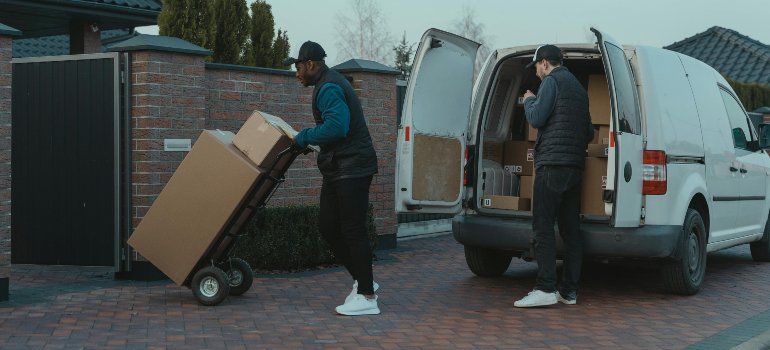
If you can’t park the truck, you can’t move. It’s that simple. Apartments, especially downtown or in places like Mt. Adams often require special permits to block off a curb. Some buildings make you coordinate with property management just to use the loading zone—and those spots fill up fast.
Houses usually give you more room. You’ll often have a driveway or at least street parking. But don’t relax too fast. Certain neighborhoods like Hyde Park still require a permit if you’re parking a truck on the street. And not all driveways are long enough for a moving truck to turn.
Parking rules can be one of the biggest surprises in apartment vs house moves. You don’t want a $75 parking fine on top of your moving bill. Call the city or your building at least a week before moving. Don’t learn the hard way that some apartment buildings won’t even let trucks park out front. It will be a total mess unless you read up on what items to get rid of before moving so that you can downsize and go through with the process.
Moving Day Logistics Hit Harder in Apartments
Timing gets real strict when you’re in an apartment. Some places only let you use the elevator between certain hours. Others have rules about loading docks or don’t allow weekend moves at all. And if your unit’s on the sixth floor and the elevator is down that day? Good luck.
With houses, it’s usually easier. No HOA rules, no time limits, and no one telling you when to start or stop. You set the pace. Still, traffic in areas like Clifton or downtown can throw you off if you don’t plan right.
Try moving earlier in the day and skip Cincinnati’s afternoon rush hour. That delay adds up fast. Imagine waiting for an hour in Walnut Hills just for the elevator to be available; chaos, right? To avoid that, schedule smarter and think about ways to save money when moving by avoiding peak times.
Packing for Stairs Is Not the Same as Packing for Driveways
Your packing plan depends on your building. In apartments, you often deal with multiple staircases or small elevators. That means large boxes or awkward furniture become a nightmare. You’ve got to pack smart—heavier stuff in small boxes, lighter things in big ones.
Houses are simpler for packing. You usually carry things straight out the front door, which saves energy and time. But that doesn’t mean you should go wild. Packing looks completely different in apartment vs house moves, and knowing that early helps you prep better.
Here are a few packing tips that help in apartment vs house moves:
- Label every box with room names and what’s inside
- Use smaller boxes for books, dishes, and heavy items
- Avoid overfilling boxes so they’re easy to carry upstairs
- Disassemble furniture if it won’t fit through doorways
- Put essentials (like tools or chargers) in a clearly marked bag
- Wrap breakables with towels or soft clothes to save on supplies
Labeling and organizing each box helps big time. Especially in apartments, because you don’t want to be stuck figuring out which box goes where in a crowded hallway. And if you live up three floors with n

Neighborhoods Shape Your Move in Ways You Don’t Expect
Your new neighborhood changes everything about moving day. Apartments in Over-the-Rhine or downtown might have awesome views and walkability. But when it comes to moving, tight corners, narrow streets, and zero parking make things tough. Plus, you’ve got to carry your stuff farther.
Now, areas like Anderson Township or Westwood are more family-friendly and usually offer more room to move. Driveways, garages, and wide streets make loading and unloading easier.
But traffic patterns can still mess you up. Try moving during off-hours if you’re moving into a busy area. Moving on a Friday afternoon near UC will definitely make you question your life choices. Always check traffic reports and pick early mornings or midweek slots.
Apartment Moves Might Cost More Than They Look
Apartments can look easier but take longer. It’s not always about the size of the place. It’s about how many things slow you down. Elevators, waiting for parking, and climbing stairs all eat up time. If you’re paying by the hour, those minutes matter.
On the other hand, a house move might finish faster even if there’s more stuff. Straightforward loading, direct access, and fewer rules usually mean less clock time.
Apartment vs house moves can affect your moving costs in ways people don’t expect. You should always ask for a custom estimate. Some companies charge extra if they have to climb stairs or wait for an elevator. And not every apartment is easy.
A local mover who knows Cincinnati’s streets, parking rules, and building layouts? Worth it.
It also helps to use a simple budget planner before moving day. Write down possible costs like truck rental, hourly rates, supplies, and parking permits. That way, you’re not surprised when the final bill comes. A few minutes of planning can save a lot of stress and money.
Moving with Kids Adds a Whole New Layer to the Apartment vs House Moves Debate
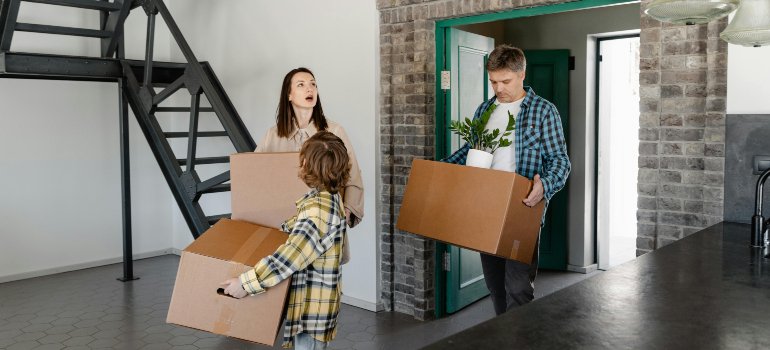
Kids feel moves in ways adults don’t always notice. If your children are used to running around in a backyard, moving to an apartment can feel like a big downgrade. And if they’ve only known apartments, suddenly having stairs and more space might feel confusing.
Multi-level apartments can be tricky. You’ll want to childproof those stairs fast. The same goes for old houses with weird corners or basements. Safety gates, outlet covers, and nightlights greatly help in the first few weeks.
Also, make setting up your kid’s room a top priority. Familiar toys or blankets make them feel more settled. And let them “help” unpack something, even if it’s just books or stuffed animals.
Transitions take time, but the more you plan ahead, the easier it gets.
Why Understanding the Differences between Apartment vs House moves Really Pays Off
So, what’s the real difference between apartment vs house moves? It’s all about how you enter, where you park, how long things take, and even how your kids react. When you understand the big and small differences, you’re more ready to handle the move. It all matters for apartment stairs, elevators, house driveways, and open space. Hiring Cincinnati residential movers like Ready 2 Roll Moving can help you get through it faster and with fewer surprises. They know this city, and they’ve seen every kind of move. Get in touch for a move that fits your place.