
The ultimate guide to dealing with highway congestion in Ohio
get a free quoteIf you’re planning a move across Ohio, you’ve probably noticed how unpredictable traffic can be. The highway congestion in Ohio OH affects everyone—from daily commuters to people relocating between cities. Columbus drivers lose nearly 40 hours a year sitting in traffic, while those near Cleveland and Cincinnati face frequent slowdowns during rush hour. Highways like I-71, I-75, and I-70 are often at capacity. Many newcomers choose movers in Cincinnati OH to handle congested routes through the Cincinnati metro area. So, how do you plan a move in all this? Understanding where, when, and why congestion happens can save you hours—and a lot of patience.
The busiest spots of highway congestion in Ohio OH
Anyone who’s driven long enough in Ohio knows there are roads you just avoid at certain times. I-71 connects Cincinnati, Columbus, and Cleveland, but it’s notorious for backups near downtown exits.
- I-75 through Dayton and Cincinnati isn’t much better—construction and trucks create constant bottlenecks.
- On I-70 east of Columbus, through-traffic from Indiana and Pennsylvania adds to the congestion.
- In Cleveland, I-480 stays packed during rush hours because of short on-ramps and merging lanes.
- Even the Ohio Turnpike around Toledo slows down in the summer when tourism peaks.
Many residents and newcomers rely on Cincinnati moving services that already know these corridors well and can share safe driving tips during Ohio winter. For movers, that means adjusting schedules and rerouting trucks to avoid wasted hours. Knowing these hotspots—and planning around them—can make the difference between an easy drive and a frustrating delay.
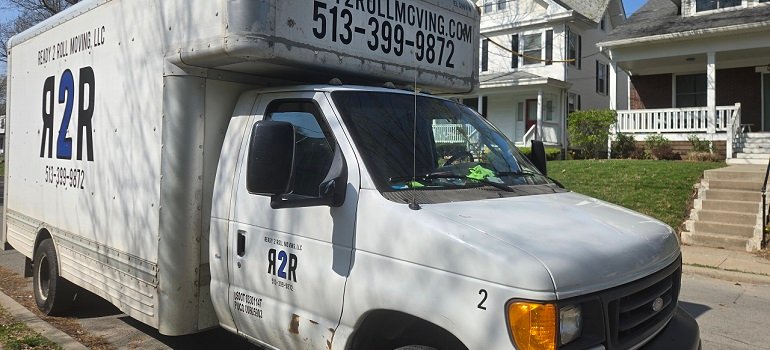
When and why traffic peaks across Ohio highways
Traffic in Ohio has a rhythm.
- Rush hour runs from about 6:30 to 9 in the morning and again from 4 to 6:30 in the evening.
- Fridays often bring longer backups as people head out early for the weekend.
- Local events, like Ohio State football games or festivals, can completely change traffic flow on highways near Columbus and Dayton.
- During winter, snow and ice slow traffic, so following safe driving tips during Ohio winter is essential.
- Then there’s harvest season, when more trucks move along U.S. Route 33 and State Route 161.
Some local movers in Cincinnati even adjust crews based on game schedules and weather alerts. On top of that, accidents and breakdowns cause about a quarter of the state’s total delays. You can’t control the weather or every crash, but you can plan your move outside these predictable peaks.
How movers and truckers navigate highway congestion in Ohio
Moving crews deal with Ohio’s traffic every day, so they’ve learned what works. Many choose to drive early in the morning or late at night when highways are clearer. GPS systems help them spot construction zones or accidents before hitting the road. Instead of using I-70, movers often take U.S. Route 33 or State Route 161 to save time. Truckers heading toward Toledo sometimes use U.S. Route 23 instead of I-71 for smoother travel. They also keep an eye on toll plazas and bridge height limits, especially in older areas around Cleveland.
For interstate relocations, long distance movers in Cincinnati plan routes even more carefully to avoid delays. Having a backup route ready makes a huge difference when something unexpected happens—like an accident on I-75 or a closure on I-270. Smart planning knowing the best time to avoid highway congestion in Ohio are what keep moves on schedule.

Major improvement projects shaping Ohio’s highways
Ohio’s highways are always changing. Billions go into improving the system each year, and while that’s great for the future, it often means delays right now.
- The I-70 and I-71 split in downtown Columbus is being completely rebuilt to handle more traffic.
- The massive I-75 modernization between Dayton and Toledo keeps adding new lanes.
- In Columbus, a smart lane project on I-670 opens extra lanes during rush hours.
- Down south, the Brent Spence Bridge project is rebuilding a critical freight link between Cincinnati and Kentucky.
- Cleveland also has the new Opportunity Corridor connecting I-490 to University Circle, helping ease pressure on I-90.
These projects aim to make travel faster in the long run, but they can be a headache for movers in the short term.
Tips for planning moves and the time to avoid highway congestion in Ohio
If you’re moving soon, timing is everything
- Avoid starting your trip during morning or evening rush hours, especially on I-270 and I-480. The best window for local moves is usually between 10 AM and 3 PM.
- Before hitting the road, check live traffic maps or a reliable app for updates.
- It’s also smart to skip major holidays, when highway volume can double.
- Smaller highways—like State Routes 4, 32, and 37—often run faster and safer than interstates. In rural areas, these roads might cut 20 to 30 minutes off your trip.
- During winter, don’t forget to prepare for icy conditions in northern parts of the state.
- Staying flexible with your schedule and coordinating closely with your movers keeps everything running smoothly if you know the best time to avoid highway congestion in Ohio.
How technology reduces highway congestion in Ohio and improves travel
Technology has become one of the best allies for drivers in Ohio. Traffic cameras, mobile apps, and digital signs now offer real-time updates about road conditions. Apps like Google Maps and Waze help predict slowdowns and suggest detours instantly.
Some cities, like Columbus, use smart traffic lights that adjust timing based on car flow, cutting down wait times at intersections. Truck fleets rely on tracking systems that plan deliveries based on congestion patterns. Weather-linked GPS systems even warn drivers about ice or heavy rain ahead. These tools are especially helpful for movers trying to stay on schedule. Technology can’t clear the roads, but it can make your route smarter, safer, and faster.
Safety, accidents, and emergency delays on Ohio highways
Accidents happen, and when they do, Ohio’s highways can back up for miles. I-71 and I-75 see the most frequent incidents, mostly because of heavy truck traffic. In winter, black ice and fog make things worse, especially near Lake Erie, so it’s important to follow safe driving tips during Ohio winter . When an accident closes lanes, state patrol teams and maintenance crews move quickly, but delays are still common.

Movers need to prepare for those situations by having alternative routes planned out. Apps with live alerts can show detours in seconds. It’s also wise to keep emergency gear handy, especially when driving through less-populated areas. For larger moving trucks, securing items tightly helps prevent shifting during sudden stops. Staying alert and prepared can make an unpredictable trip much safer.
Long-term traffic outlook and statewide improvements
Ohio’s population is growing, and with it comes more cars and trucks on the road. The Columbus and Cincinnati metro areas are expanding quickly, which means more congestion in the years ahead. Freight volume keeps climbing too, as new factories and distribution centers open near major routes like I-70 and I-75. The state’s mobility plan focuses on reducing congestion and improving freight efficiency over the next five years. There are projects like designed to cut delays significantly, such as:
- smart highways
- larger interchanges
- better signage
Cleaner, electric delivery trucks will also help ease highway pressure. The future looks promising, but travelers should still expect construction and seasonal challenges to continue for a while.
Navigating highway congestion in Ohio with confidence
Moving in Ohio doesn’t have to mean battling endless traffic jams. The highway congestion in Ohio OH might still test your patience, but understanding how it works makes all the difference. Learn which routes stay clogged, use real-time tools, and remember the best time to avoid highway congestion in Ohio. Work with movers who know the local roads and can adapt quickly. A bit of planning turns what feels chaotic into a manageable, predictable process. Ohio’s highways are busy, but with smart choices and good timing, your move can go faster and feel far less stressful.