
How to Move with Medical Equipment: Tips for Patients and Caregivers
get a free quoteWhen planning a move with medical equipment, safety and timing matter most. Relocating medical devices requires preparation, coordination, and attention to detail. These items are essential for daily health and comfort. Equipment such as oxygen tanks, wheelchairs, CPAP machines, and hospital beds need extra care during transport. With clear planning, you can minimize disruption and keep medical routines consistent. Learn how to prepare devices, choose qualified movers, and manage every aspect of the move. By following these practical tips, you can relocate safely and keep your medical needs fully supported from start to finish.
Plan Ahead to Protect Your Health and Equipment
Planning early helps avoid last-minute stress and possible risks. A simple planning checklist can help you stay on track:
- Make an inventory – write down any medical device you have.
- Note special needs – mark down which item needs a special care (e.g. “fragile”, “keep upright”, “Disassemble before moving”, etc.).
- Talk to your movers – inform them about these specific devices in advance. If you need reliable help, you can count on Ready 2 Roll Moving for dependable support.
- Pack a “medical essentials” bag – pack a suitcase with all medications and critical medical equipment together with the instructions. Keep it with you during the move.
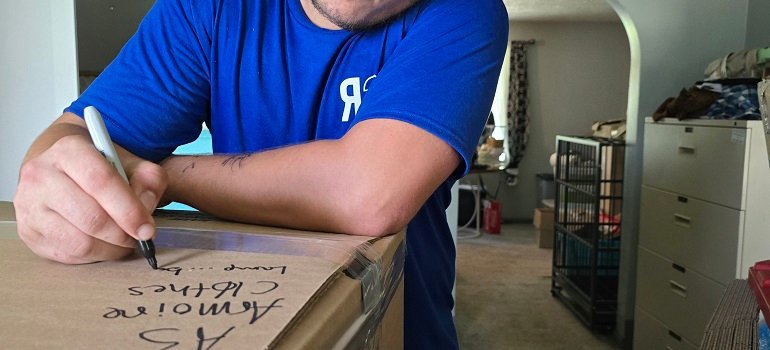
Any delay or mishap during the move can be dangerous. Key reasons to plan is to avoid last-minute problems, to ensure continuous care during and after the move and to prevent damage to expensive and fragile equipment that could make it unsafe for use. Having a clear plan, makes ground for less stressful moving and reduces anxiety for you and your family.
Consult Healthcare Providers when Moving with Medical Equipment
Before moving with medical equipment, talk to your medical team and your equipment supplier. They will give you specific instructions on how to properly pack, transport and resemble your devices like oxygen tanks or hospital beds.
They can also provide you with the necessary documentation such as a copy of your prescriptions and a letter outlining your medical needs. This documentation is often required for traveling to different state or to set up services in your new location. Providers can also help locate a local branch or technician in the new city, guaranteeing your support system is ready when you arrive.
Practical Steps to Take when Moving Medical Equipment
Prepare and pack medical equipment properly:
- Clean, disinfect, and power down all your medical equipment according to the manufacturer’s instructions, before packing. This prevents damage and ensures hygiene of all of the devices.
- Clearly label cords, chargers, and small attachments.
- Use original boxes when possible.
- Request pacing materials from the supplier.
- Pack a separate “medical essentials” bag (oxygen tanks, medications or insulin supplies) and keep it with you in a personal vehicle.
Healthcare professionals can also confirm which devices must remain powered during the trip. Communicating early helps maintain continuous care and prevents mistakes. Once your care plan is ready, you can coordinate logistics through Cincinnati moving services for expert assistance. Handling tips for common devices:
- Wheelchair: Take a photo before disassembling, for faster resembling. Secure removable parts.
- CPAP Machine: Pack the main unit into its original are. Keep the distilled water tub and mask separately.
- Nebulizer: Ensure all tubing and masks are completely dry before packing, to prevent mold.
- Oxygen Tank: Keep it upright during transport. Ensure tanks are securely fastened and valves closed.
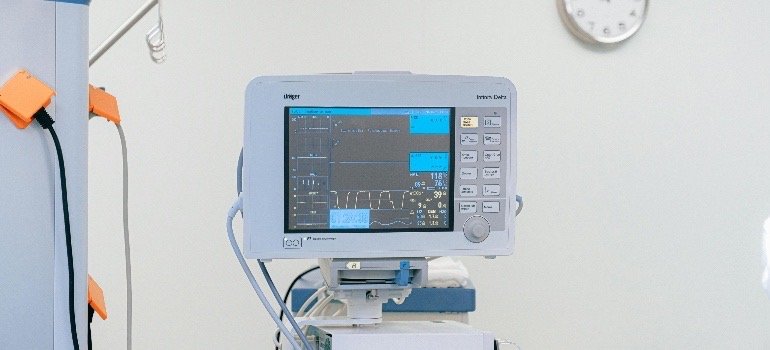
Maintain Access to Essential Supplies During the Move with Medical Devices
Always keep your most important medical items within reach. For those relocating to new care environments, such as moving to a senior living facility, this step is especially important for continuous comfort. Pack a “medical go bag” with
- medications
- chargers
- emergency contacts. (include a printed list of doctors and pharmacies)
- backup batteries and any spare parts for essential devices
Keep at least a two-day supply of medications and disposable items in case of delay. Assign one person or caregiver to manage these supplies during travel. Make sure this bag stays with you at all times, not in the moving truck. Quick access to your essentials prevents disruption to care and helps manage emergencies.
Choosing Movers Familiar who can Help you Move with Medical Equipment
When relocating with sensitive medical equipment, choosing the right moving company that knows your area well makes all the difference. For example, in a city like Cincinnati, where many neighborhoods include older homes and multi-level properties, professional movers play an essential role. Moving bulky medical devices through narrow hallways or steep staircases requires trained specialists, proper equipment and packing supplies Cincinnati movers have available.
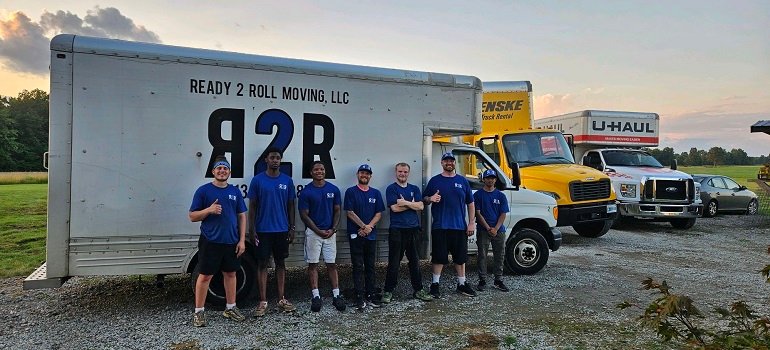
Professional local movers in Cincinnati understand how to handle these challenges safely and can help you move with medical devices. They use ramps, padding, and lift systems designed to protect both the equipment and the home. Full-service movers can also disassemble, transport, and reassemble complex medical devices with precision. Before hiring, ask about:
- experience with similar moves in Cincinnati,
- truck sanitation practices,
- insurance coverage for high-value medical equipment
Working with qualified movers ensures your a successful move with medical devices from the first pickup to final setup in your new home.
Setting Up Equipment Safely in Your New Home
Once you arrive, take a moment to look around before unpacking any medical devices.
- Walk through each room and check the outlets to make sure they work and are grounded.
- Plan where every item will go, keeping enough space to move safely. If floors are uneven, use pads or locks to keep heavy equipment stable.
- Clean and disinfect surfaces before setting anything down.
- When you start unpacking after a move with medical equipment, focus on one device at a time so small parts don’t get lost.
- Match cords and pieces to your photos or labels, and check for frayed wires or loose fittings.
- Plug items directly into grounded outlets, avoiding overloaded power strips.
- Turn each device on, run a short test, and watch for warning lights or error messages.
If something doesn’t seem right after moving with medical equipment, stop and call your supplier or technician. Careful setup now means your equipment will work properly and safely from day one.
Managing Emotional and Physical Stress During the Move
Relocating with medical needs can feel exhausting. Keep a slow, steady pace and rest often. Divide tasks among family members, friends, or caregivers. Ask for help when needed—overexertion can affect your health. Stay hydrated and plan light meals during travel.
Connect with local or national organizations for additional support. Groups like the American Lung Association or the American Diabetes Association offer guidance and local contacts. In some states, Aging Agencies can help seniors with post-move care and services. A calm, well-supported move protects both physical and emotional health. Focus on staying comfortable and prioritizing your well-being at every step.
Moving Forward Safely and Confidently
Relocating health-related items can feel complex, but a well-organized plan makes it manageable. Focus on safety, communication, and preparation for every stage of the move with medical equipment. Choose trained movers, pack carefully, and keep critical supplies close. With professional help and thoughtful planning, your relocation can be secure and efficient. A safe move protects both your well-being and the function of your medical devices. Take time to plan, communicate clearly, and approach each step with confidence and care.