
Packing supplies you should never skip for a long distance move
get a free quoteLong-distance moves put your belongings through extra handling, longer routes, and changing crews. Instead of winging it, you can treat packing supplies for out of state moves like a simple project list. Start with the basics, then add a few smart upgrades where needed. Packing supplies you should never skip sit at the center of that list. They protect fragile items, support safer lifting, and keep boxes from collapsing. Good supplies also reduce last-minute store runs and late-night repacking. In cities with active moving markets, a professional packing service in Cincinnati can supply both materials and labor. You unpack faster, find things easier, and deal with fewer broken items. Sounds better than opening a box of shattered glasses, right?
How to plan your list of packing materials for a long distance move
Start with a quick walk through your home, room by room. Look at
- furniture
- dishes
- decor
- electronics
- hidden storage corners
Write a simple list of packing supplies you should never skip so you see what actually needs boxes and padding. Then decide which pieces require special boxes, like wardrobes or TV cartons. Think about your timeline too, not only the moving date. Will you pack evenings and weekends? Or set aside one focused week? Your schedule affects how many boxes, labels, and tools you should buy.
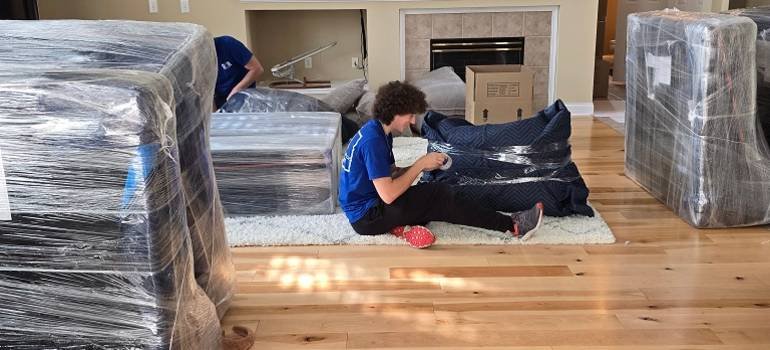
Next, decide if movers will supply any materials or if you prefer DIY. Some companies sell ready-made supply kits, which can simplify planning. Stores and online shops often offer better prices but need more research. Some moving companies in Cincinnati Area also include practical packing advice during estimates. Create a short budget for packing supplies you should never skip, separate from moving services. Then match your supply list to that schedule. Finally, sketch a packing order, starting with seasonal items and storage spaces.
Packing supplies you should never skip because they actually protect your belongings
Boxes carry almost everything, so their quality really matters. Rather than grabbing random cartons, choose a few reliable sizes.
- Small boxes work best for books, tools, and other heavy, compact items.
- Medium boxes suit kitchenware, pantry goods, toys, and mixed household belongings.
- Large boxes should hold light items only, like bedding, towels, or pillows.
- Special wardrobe boxes keep clothes on hangers and reduce ironing later.
- Dish packs and TV cartons add extra stiffness around fragile surfaces.
- Have a few heavy-duty boxes ready for especially delicate or valuable pieces.
Local options are something to be aware, so moving boxes Cincinnati Ohio moving companies provide keep sizing choices straightforward. Wondering about reused boxes from stores or friends? You can use them for linens and other unbreakable items. Skip boxes that feel soft, smell strange, or show water damage.
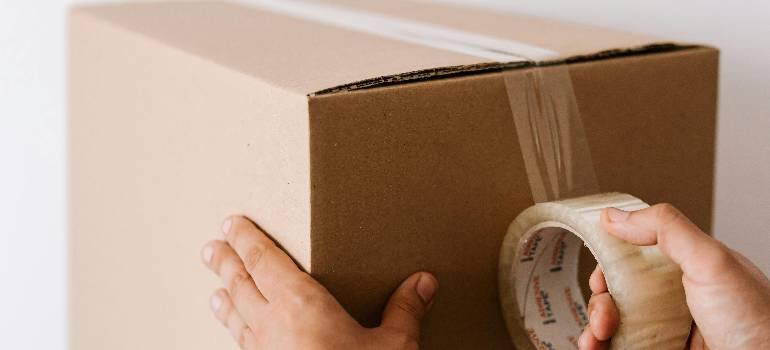
Always tape bottoms and seams well before loading anything inside. Then stack packed boxes by size, so loading stays simple and stable. Clear labeling on the side helps too.
Protective padding and similar packing materials for a long distance move
Protective padding keeps items safe inside boxes and on the truck. Think about how far your belongings will travel and how often they move. Packing paper handles dishes, glassware, and small decor very well. Wrap each plate, then stack small bundles with extra crumpled paper. Glasses, mugs, and vases need individual wrapping and padding between layers. Bubble wrap, on the other side. works well for electronics, frames, and irregularly shaped, fragile pieces.
Foam sheets and corner protectors help with mirrors, screens, and artwork. long distance moving companies in Cincinnati often recommend extra padding for fragile shipments. Furniture usually needs moving blankets or similar packing supplies for out of state moves on corners, edges, and high-contact points. You can add towels or linens on top as extra filling. However, cover delicate surfaces first with proper padding, not only towels. Fill every gap inside boxes, so nothing rattles when you lift them. For long routes or storage stops, add moisture absorbers to vulnerable boxes. Finally, mark fragile boxes clearly and place them above heavier stacks.
Tape, labels, and small packing supplies you should never skip
Tape, labels, and small packing materials for a long distance move keep your packing under control. Strong packing tape holds better than masking tape or basic duct tape. Choose a heavy-duty option that sticks firmly and stays put during travel. A tape gun makes sealing faster and more comfortable on busy days. Labels seem simple, yet they save huge amounts of time later. Write the room, short contents, and handling notes like fragile or heavy. Color codes or numbers help match boxes with your written inventory list. Place labels on at least two sides, so movers see them quickly.
Keep markers, scissors, and box cutters in one small, easy to reach container. Add a basic screwdriver, wrench, and hex keys for furniture disassembly. Moving straps and sliders help lift heavy items with less strain. Dollies or hand trucks turn several tiring trips into just a few. With the right tools nearby, each packed box feels like real progress.

Special supplies for furniture, appliances, and sensitive items
Some belongings need extra care and additional packing materials for a long distance move because replacing them feels difficult or expensive.
- Mattress bags shield mattresses from dust, stains, and tears during the move.
- Stretch wrap keeps sofa cushions, drawers, and doors from shifting or opening. Combine it with moving blankets and similar packing supplies you should never skipto protect corners, legs, and delicate finishes.
- Large appliances benefit from padded covers and careful taping of doors and cords.
- Televisions pack best in original boxes or sturdy, purpose-built TV cartons.
- Computers and small electronics like cameras deserve anti-static bags and firm padding.
- Instruments and artwork should travel in padded cases with added exterior cushioning.
- Important documents, jewelry, and backup drives belong in a lockable fire-resistant container.
Many movers will not take hazardous, toxic liquids, paints, or flammable products. Those items usually need separate handling or safe disposal before moving day. Plants also need special planning, since some routes restrict them across borders. Ask your mover which special categories they handle and which they cannot.
Budget-friendly and eco-conscious packing supplies for out of state moves
Packing supplies you should never skip do not have to destroy your budget or create huge waste. Start with a simple spending limit for boxes, tape, and padding. Then decide which items absolutely must be new and high quality. Boxes, strong tape, and core padding usually belong in that group. Free or low-cost boxes can still play a role with care. Ask around at offices, shops, or community groups for sturdy spares. Skip anything that smells like food, chemicals, or feels soft and damp.
Clean towels and linens can replace some paper inside non-fragile boxes. Recycled paper and biodegradable fillers help reduce plastic use without losing protection. Plastic bins work well for items that may sit in storage. After the move, donate leftover packing materials for a long distance move or recycle cardboard and paper. This way, your packing choices support your wallet and the environment. Thoughtful planning also reduces rushed purchases and repeated trips for missing items.
Build your ideal long distance packing kit with packing supplies you should never skip
Packing for a long distance move feels easier when you know what matters. The exact list of packing materials for a long distance move will change with every home, budget, and route. However, the basic idea stays very simple and practical. Protect items from bumps, keep boxes stable, and label clearly for unloading.